
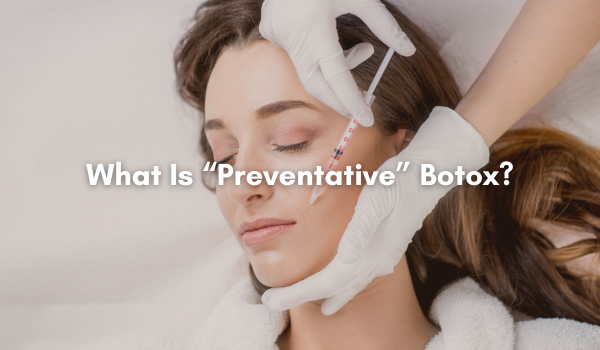
Botox® is widely known as a safe, effective treatment for smoothing fine lines and wrinkles — but more recently, many patients have started asking about “preventative Botox®.” This approach has gained popularity among people in their 20s and 30s who want to take a proactive, long-term approach to skin health rather than waiting for wrinkles to fully develop before treating them.
So is preventative Botox® real, and is it truly recommended as a method to prevent the effects of aging on the skin? We will take some time to unpack exactly what the term means, what medical experts have to say about its effectiveness, and consider other alternatives to Botox® that may also support healthy, youthful-looking skin in the longer term.
What Is Preventative Botox®?
Preventative Botox® sometimes called “Baby Botox®,” refers to the injections of small, carefully placed amounts of botulinum toxin years before deep wrinkles or expression lines are visible at rest. Instead of treating lines that are already etched into the skin, as is the traditional goal of Botox®, the goal is to limit repetitive muscle movement that can contribute to wrinkle formation over time. This is a particular concern in areas that are especially prone to movement and wrinkles like the forehead, between the eyebrows, and around the eyes.
Botox® works by temporarily relaxing targeted facial muscles. When those muscles contract less forcefully, the skin above them experiences less folding. According to WebMD, Botox® has been used safely for cosmetic and medical purposes for decades, with FDA approval for cosmetic wrinkle treatment since the early 2000s.
Who typically considers preventative Botox®?
Preventative Botox® is most commonly considered by:
- Adults in their mid-20s to early 30s
- People with very expressive facial movements
- Individuals with a family history of early wrinkles
- Patients seeking subtle, natural-looking results
Potential benefits and drawbacks of preventative Botox®
Potential benefits of preventative botulinum toxin injections may include softer facial movement, delayed development of fine lines, and minimal downtime. Drawbacks may include the need for ongoing maintenance, long-term cost, and most importantly–the fact that preventative results are subtle and difficult to measure.
Does Preventative Botox® Really Work?
So, as a newer procedure without time to prove its effectiveness, is there reason to believe that preventative Botox® really works, or is it just a gimmick?
The answer is nuanced. Preventative Botox® is best described as a theoretical concept rather than a scientifically proven guarantee of results. According to Cleveland Clinic, it is difficult to definitively prove that Botox® injections used before wrinkles appear will prevent them altogether. Aging is influenced by many factors, including genetics, sun exposure, lifestyle, and time–and no cosmetic treatment can fully stop that process.
That said, Botox® can help reduce repetitive muscle movement that contributes to dynamic wrinkles. By limiting how strongly certain muscles contract, botulinum toxin may slow the deepening of expression lines for some patients. This is why many people still choose to try preventative Botox®, with the understanding that it is not permanent or foolproof.
It’s also important to remember that Botox® is temporary. Results typically last about three to four months, and any potential preventative benefit depends on appropriate dosing, treatment intervals, and careful planning suited to the patient’s individual needs.
What to Know Before You Get Your First Botox® Treatment
If you’re wondering when to start preventative Botox®, it’s important to understand both the benefits and the considerations — especially if you’re starting at a younger age.
Benefits of Botox®
- Treatment softens the appearance of dynamic wrinkles
- Injectable treatment is non-surgical and minimally invasive
- Treatments are quick, with little to no downtime
- Botox® has a long track record of safety when administered by trained professionals
Potential Risks and Limitations of Botox®
Botox® is considered safe when performed by experienced medical providers, but it is not without risks. Possible side effects include temporary bruising, swelling, headaches, or uneven results. Over time, repeated use may lead to muscle weakening or the need for adjusted dosing, particularly if treatments are not carefully planned. It is essential to have a trained professional administer your Botox®.
Long-term Considerations of Botox®
Current research suggests that long-term Botox® use does not cause permanent damage when treatments are properly spaced and dosed. However, starting Botox® early may mean committing to maintenance treatments for many years, which may not be suitable for everyone.
Choosing the Right Provider for Your Botox® Treatment
The experience and expertise of your injector matter. A cosmetic dermatologist or trained nurse practitioner can evaluate your facial anatomy, discuss realistic expectations, and determine whether Botox® is appropriate, and if so, how to use it conservatively for natural-looking results.
Anti-Aging Alternatives to Botox®
For patients in their 20s or 30s who are interested in preventative options but are not ready for injectables, there are several alternatives to Botox® that can support long-term skin health and contribute to more youthful-looking skin, even while they may not yield exactly the same results as a Botox® treatment.
Chemical Peels and Resurfacing Treatments
Superficial to medium-depth chemical peels and laser treatments can improve tone, texture, and early fine lines without affecting muscle movement.
Microneedling
Microneedling treatment stimulates collagen and elastin production, helping improve firmness and skin quality over time.
Medical-Grade Skincare
Prescription retinoids, antioxidants, and daily sunscreen can help boost collagen production, improve skin texture, and most importantly protect against sun damage, one of the biggest contributors to premature aging. Talk to your dermatologist about which skincare products they would recommend for you.
Lifestyle Factors
Healthy habits such as sun protection, hydration, stress management, and avoiding smoking play a critical role in maintaining youthful-looking skin.
Frequently Asked Questions about Botox® for First-Time Patients
Is Botox® safe?
When administered by a trained medical professional, Botox® is considered safe and has a long history of uses in both cosmetic and medical settings. As with any injectable treatment, a proper cosmetic consultation is essential to ensure it’s appropriate for you.
When should you start preventative Botox®?
There is no single “right age” to start preventative Botox®; some patients may benefit in their late 20s or early 30s, while others may not need it at all. Facial movement patterns, genetics, skin health, and general suitability for the procedure are more important factors to consider than age alone. Your cosmetic provider will be able to advise based on your unique needs as a patient.
Will Botox® make my face look frozen?
Modern Botox® treatments focus on softening movement, not eliminating expression. Natural-looking results depend on conservative dosing and expert technique. Discuss your concerns with your provider before getting your procedure, and they can help you make an informed decision for best results.
How long does Botox® last?
Botox® results typically last about three to four months. Many patients maintain their results with regular, well-spaced treatments.
Can I stop Botox® once I start?
Yes; it’s important to keep in mind that Botox results are temporary. If you stop treatment, muscle movement will gradually return to baseline, and your skin will continue to age naturally. If you want long-term results, you will need to continue getting treatments; however, if you aren’t sure you want Botox forever, it does not need to be a permanent commitment.
Preventative Botox®: Final Thoughts
Preventative Botox® is best viewed as one possible tool within a broader approach to healthy aging, rather than a guarantee against wrinkles or the effects of time on the skin. Botox can be used both to treat existing fine lines and, in some cases, to help slow the progression of expression-related wrinkles.
The effectiveness of Botox®, preventative or otherwise, depends on factors such as genetics, lifestyle, sun exposure, dosing, and consistency. For some patients, Botox® may be a helpful part of a long-term skin maintenance plan; for others, non-injectable treatments or skincare-focused approaches may be more appropriate.
If you’re curious about preventative Botox® and whether it may be right for you, the best next step is a personalized consultation. Here at Vujevich Dermatology Associates, one of our cosmetic dermatologists or nurse practitioners can evaluate your skin, answer your questions, and help determine whether Botox® or one of its alternatives is recommended for your individual goals.
Interested in a Botox® treatment? Schedule a consultation with us today at any of our three locations in the greater Pittsburgh area. You can also follow us on Facebook and Instagram to see what is new in the world of dermatology.