
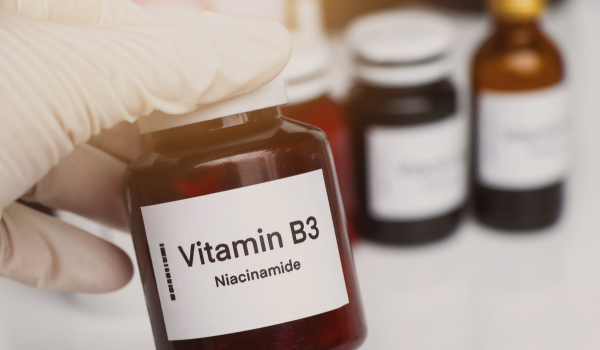
When it comes to skin cancer prevention, sun protection measures like sunscreen and sun-protective clothing remain the gold standard. However, growing research suggests that a form of vitamin B3, when taken as a supplement, may also prove to be instrumental in lowering the risk of developing additional skin cancers in certain high-risk individuals. This nutrient is niacinamide, also called nicotinamide.
If you’ve recently been treated for a non-melanoma skin cancer or have a history of frequent skin cancers, your dermatologist may recommend adding niacinamide to your daily routine. While it certainly isn’t a replacement for sun protection or regular skin exams, studies have shown that it may help reduce the risk of future skin cancers, when used alongside other preventive measures.
Here’s what you should know about niacinamide, including its nutrient benefits, the recommended dosage as a skin cancer prevention measure, and who may benefit most from it.
What Is Niacinamide?
Niacinamide, or nicotinamide, is a water-soluble form of vitamin B3 that’s naturally found in many everyday foods, including fish, poultry and other meats, eggs, milk and dairy products, and vegetables. Your body needs vitamin B3 for various functions including converting food into energy, supporting healthy cell function, and maintaining healthy skin.
It’s important to note that niacinamide (nicotinamide) is different from niacin, another form of vitamin B3. While niacin can cause uncomfortable flushing, warmth, and itching, niacinamide does not typically produce these side effects, making it much more suitable for long-term use.
Benefits of Niacinamide
Many people recognize niacinamide as a popular skincare ingredient, and for good reason. Niacinamide has a wide variety of health benefits for your skin and body. Research has shown that niacinamide may help:
- Support the skin’s protective barrier by reducing immune system suppression that is caused by UV rays. It also helps restore cellular energy and repair DNA after UV exposure.
- Reduce inflammation, redness, and irritation in conditions like eczema and acne.
- Improve hydration in the skin.
- Regulate oil production, minimizing pores and improving skin texture.
Niacinamide’s protective effects have led researchers to explore whether it may help prevent skin cancer in people who are at higher risk of developing additional skin cancers. Several studies have found that niacinamide may lower the risk of certain non-melanoma skin cancers, like basal cell and squamous cell carcinoma, as well as precancerous lesions like actinic keratoses, which we will discuss later in this blog.
What Is the Difference Between Nicotinamide and Niacinamide?
Nicotinamide and niacinamide are simply two names for the same form of vitamin B3. In clinical studies on skin cancer prevention, researchers frequently use the term nicotinamide, while many dietary supplements are labeled as niacinamide. For practical purposes, they refer to the same ingredient.
How Much Niacinamide Should You Get Per Day?
The recommended dietary allowance (RDA) for vitamin B3 is relatively small – 16 mg daily for adult men, and 14 mg daily for adult women. Slightly higher amounts may be recommended during pregnancy and breastfeeding.
If taken as a measure against skin cancer, the recommended dosage of niacinamide is much higher than the daily nutritional requirement. For patients at increased risk of skin cancer, studies have concluded that the recommended dose is 500 mg of niacinamide taken by mouth twice daily, with or without food.
Niacinamide supplements are available over the counter and do not require a prescription; however, it is best to consult your healthcare provider before beginning to take niacinamide for skin cancer prevention.
How Does Niacinamide Work Against Skin Cancer?
Ultraviolet (UV) radiation from the sun damages skin cells in multiple ways. It can directly injure DNA, weaken the skin’s immune defenses, and reduce the energy available for normal cellular repair.
Niacinamide appears to help address several of these effects by:
- Supporting repair of UV-induced DNA damage
- Helping restore energy within sun-damaged skin cells
- Reducing UV-related immune suppression
- Supporting the body’s ability to eliminate damaged cells before they become cancerous
Researchers have recently studied the benefits of niacinamide specifically for skin cancer prevention, particularly among patients who have already developed non-melanoma skin cancers such as basal cell carcinoma or squamous cell carcinoma.
What Does the Research Show?
One of the landmark clinical trials, published in The New England Journal of Medicine1, followed 386 high-risk patients who had previously developed multiple non-melanoma skin cancers. Researchers found that patients taking 500 mg of nicotinamide twice daily experienced a 23% reduction in new non-melanoma skin cancers over one year, when compared to those taking a placebo.
More recently, additional research has provided even more encouraging findings. Investigators in a later study2 found that patients who began niacinamide after their first skin cancer diagnosis experienced an estimated 54% reduced risk of developing another skin cancer. The protective benefit appeared to decrease after multiple previous skin cancers, suggesting that starting niacinamide earlier may provide greater benefit for high-risk individuals.
While additional long-term research continues, these studies have made niacinamide an increasingly common recommendation for patients with a history of certain non-melanoma skin cancers.
Does Topical Niacinamide Prevent Skin Cancer?
Many moisturizers and serums contain niacinamide as an ingredient, leading patients to ask whether topical niacinamide products may also help prevent skin cancer.
At this time, the research supporting skin cancer prevention involves specifically oral niacinamide supplements, not topical skincare products. Although topical niacinamide offers many benefits for skin health, there is currently insufficient evidence that creams or serums provide the same skin cancer preventive effects demonstrated in oral clinical trials.
Recommendations to Help Prevent Skin Cancer
If you’ve previously been diagnosed with basal cell carcinoma, squamous cell carcinoma, or have developed multiple actinic keratoses, your dermatologist may recommend adding oral niacinamide to your prevention plan.
High-risk patients may take 500 mg of niacinamide by mouth twice daily, as guided by their doctors. Niacinamide is available over the counter at most pharmacies, grocery stores, and online retailers, and is generally well tolerated with few side effects.
However, it’s important to remember that niacinamide is only one part of a comprehensive skin cancer prevention strategy. For the optimal skin protection, it’s essential to continue to follow basic sun safety tips. These lifestyle habits are your first line of defense against skin cancer.
- Wear a broad-spectrum sunscreen with SPF 30 or higher every day
- Reapply sunscreen during prolonged outdoor activities
- Wear sun-protective clothing, wide-brimmed hats, and sunglasses
- Seek shade whenever possible, especially during peak UV hours
- Avoid indoor tanning
- Perform regular skin self-examinations
- Schedule routine skin cancer screenings with your dermatologist
Finally, if you have a history of skin cancer, early detection through regular screenings and ongoing prevention tactics remain your best defense against future skin cancers.
At Vujevich Dermatology Associates, our team of providers offer comprehensive medical dermatology services, including skin cancer screenings, diagnosis, treatment, and support with long-term prevention strategies for patients throughout the greater Pittsburgh area. We also offer Mohs surgery for the precise treatment of many skin cancers. If you’ve had skin cancer before or are concerned about your risk, our team can help determine whether niacinamide may be an appropriate addition to your personalized skin cancer prevention plan.
You can reach our team at (412) 429-2570 or visit our contact page to request an appointment and see all of our locations in the greater Pittsburgh area. You can also follow us on Facebook and Instagram to see what’s new in the world of dermatology.
References
- Chen, et al. A Phase 3 Randomized Trial of Nicotinamide for Skin-Cancer Chemoprevention. NEJM 2015;373: 1618-1626.
- Breglio KF, Knox KM, Hwang J, et al. Nicotinamide for Skin Cancer Chemoprevention. JAMA Dermatol. 2025;161(11):1140–1147. doi:10.1001/jamadermatol.2025.3238